
Physiotherapy in Mellieħa, Malta
Conditions we treat
Start from where it hurts. Explore common areas of pain and conditions, learn what may be causing your symptoms and see how physiotherapy can help.

Common conditions
What are you experiencing?
If you already have a name for the problem, explore common conditions and pain patterns below.
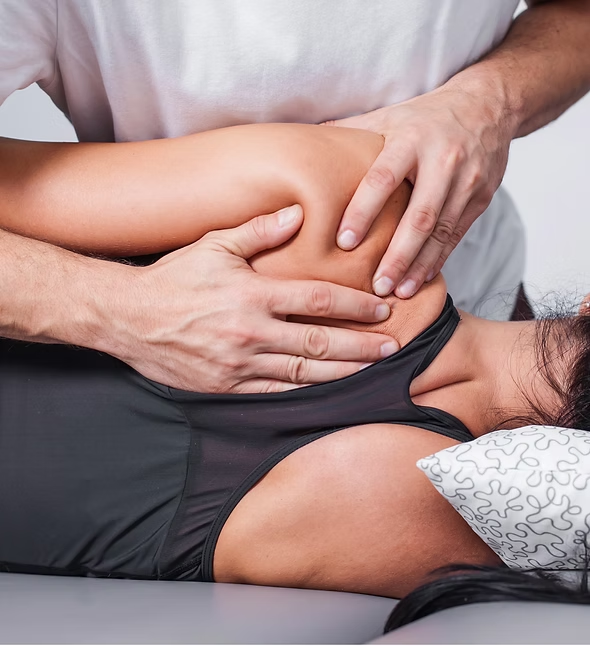
Back pain
Pain affecting the lower, middle or upper back, including pain related to movement and activity.

Sciatica
Pain or other symptoms that can travel from the lower back into the buttock or leg.
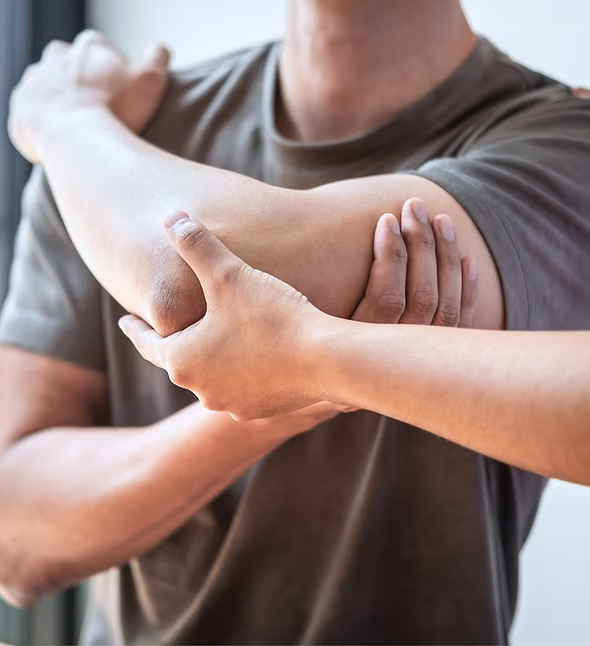
Shoulder pain
Shoulder symptoms with reaching, lifting or sleep, including cuff and stiffness patterns.

Neck pain and headaches
Neck stiffness and headache patterns that often travel together, especially with desk work.

Tennis elbow
Outer elbow pain with grip and wrist use, often from work or sport rather than tennis.

Knee pain
Knee symptoms related to activity, injury, loading or joint problems.

Muscle strains
Muscle injuries caused by overstretching or loading, often during sport or physical activity.
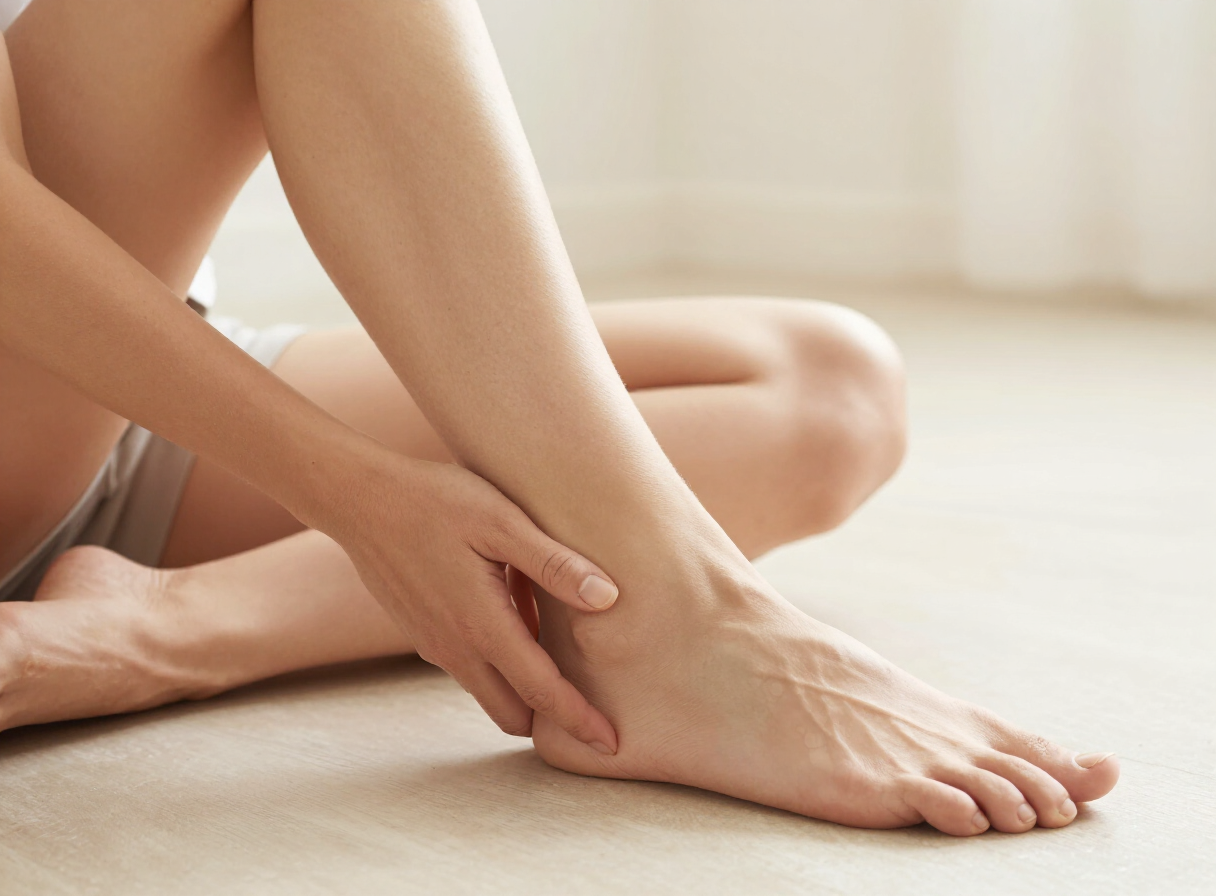
Ankle sprains
Ligament injuries commonly caused by twisting or rolling the ankle.

Arthritis
Joint pain and stiffness associated with conditions including osteoarthritis and rheumatoid arthritis.
View all conditions
Lower back pain
The most common pattern we see, often linked to sitting, lifting or a change in load.
Upper and middle back pain
Ache between the shoulder blades, often after desk work or driving.
Shoulder blade pain
Pain beside the shoulder blade, from muscle tension or sometimes the neck.

Hip pain
Groin, side-of-hip or buttock symptoms. Location alone does not name the cause.
Ankle pain
Pain after a roll, a run, or a long day on your feet.
Foot pain
Heel, arch or forefoot symptoms from walking, standing or sport.
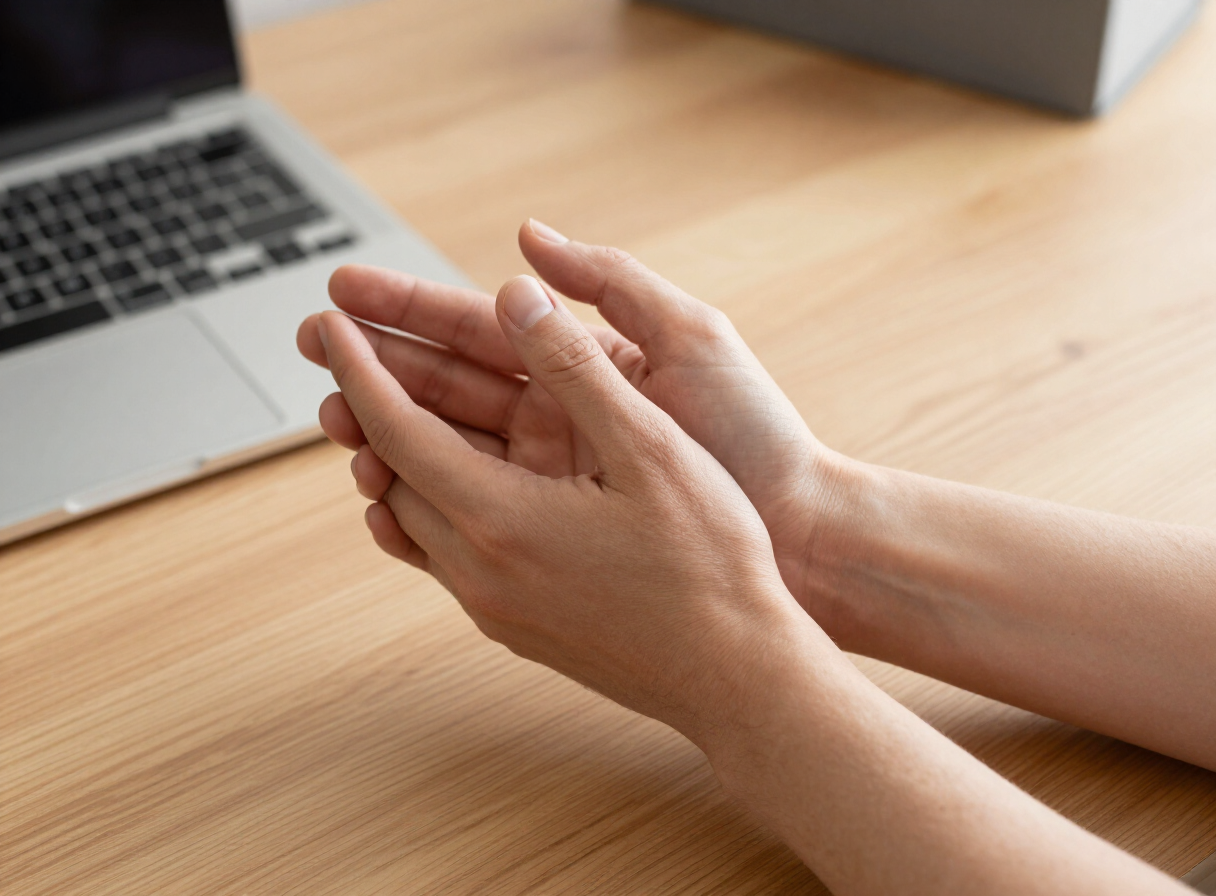
Wrist and hand pain
Grip, desk and sport symptoms in the wrist and hand.
Joint pain
Ache or stiffness in a joint. Several causes are possible, including ones a doctor should lead.
Start with your symptoms
Not sure what the problem is?
You do not need to know the name of your condition. Start with what you are experiencing.
- Pain when walking
- Pain when running
- Pain after sport
- Pain after lifting
- Pain when lifting your arm
- Pain after sitting
- Pain when bending
- Pain going down the leg
- Pins and needles
- Joint stiffness
- Sudden muscle pain
- Muscle tightness
- Recurring pain
Symptoms can have different causes. If you are unsure, a physiotherapy assessment can help identify the appropriate next step.
Not sure what is going on?
Book a physiotherapy assessment
If you are not sure what is causing your pain, we can help. An assessment looks at your symptoms, movement, activity and goals to help determine the appropriate next step.
Our approach
How we approach pain and injuries
Treatment depends on the person and the problem, not simply on where it hurts. Two people can point to the same spot and need different plans. One may be reacting to a week at a desk. Another may be recovering from a twist on the court, or from a joint that a doctor is already treating. At The Red Door Clinic in Mellieħa, physiotherapy starts with that distinction. We look at what changed, what you need to get back to, and how you move, then choose treatment and exercise from those findings. We do not promise a cure, and we do not treat a label you found online as if it were already confirmed. If the story suggests a doctor should lead — a hot swollen joint, a suspected fracture, or symptoms that are not musculoskeletal — we will say so.
- 01
Understand the problem
Look at symptoms, relevant history, movement, activity and goals.
- 02
Build a treatment plan
Treatment and exercises are selected according to assessment findings and individual goals.
- 03
Restore movement and confidence
Progress toward everyday activity, work, exercise or sport.
When to seek urgent help
Is your pain an emergency?
Most musculoskeletal pain is not an emergency. However, some symptoms require urgent medical attention. Seek emergency care for a suspected broken bone, a joint that looks deformed, pain after a significant fall, chest pain or pressure, trouble breathing, sudden weakness, numbness in the saddle area, or loss of bladder or bowel control.
Shoulder or arm pain that arrives with chest pressure, breathlessness, sweating, nausea or feeling faint can be a heart symptom. Call emergency services. Do not wait for a clinic appointment.
View urgent care signs
- A limb that is cold, pale or blue, or sudden severe swelling
- A head injury with confusion or vomiting
- New severe headache, or headache with neurological symptoms
- Inability to take weight through an ankle or knee after an injury
- A first gout-like flare, or several joints that are hot and swollen — see a doctor
Explore by area
Condition guides
Neck and shoulder
Arm, elbow and hand
Hip, leg and muscle
Joint conditions
The same pain can have different causes
Pain location is a useful starting point. It is not a diagnosis. Symptoms around the leg, for example, may relate to a muscle, a joint, a nerve, or a problem in the back that is felt further down. Elbow pain can come from the elbow itself or from the neck. A stiff knee can be a load problem or joint wear — or both.
That is why an assessment looks at the story and the movement, not only the spot you point to. It is also why two guides on this page can sound similar and still lead to different plans. If you are unsure which page fits, book an assessment and describe what you feel. You do not need the right name first.
Further reading
Helpful guides and related services
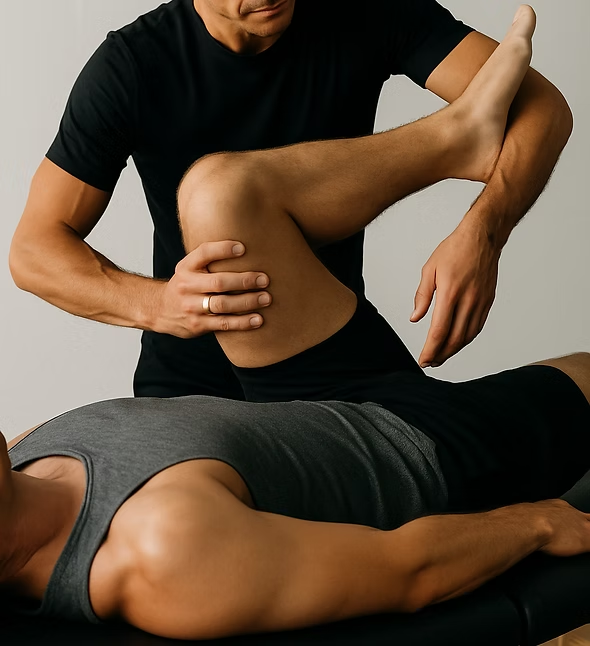 Physiotherapy in Malta Assessment, hands-on treatment and rehab.
- Sports injury physiotherapy Return-to-sport assessment after a strain or sprain.
- Massage therapy in Malta Tension and recovery alongside, not instead of, assessment.
- Back pain guide Causes, assessment and when back pain needs urgent care.
- Exercise programmes Written plans for the time and space you actually have.
- Neck pain and headaches Desk necks, stiff mornings and headache patterns.
Need some help?
Not sure where to start? Start with us.
You do not need to know what your condition is before booking. Tell us where it hurts, how long it has been bothering you and what you want to get back to doing.