
THE RED DOOR CLINIC · MELLIEĦA
Acupuncture for pain relief
Fine needles, used by our physiotherapist alongside treatment to ease pain and muscle tension.
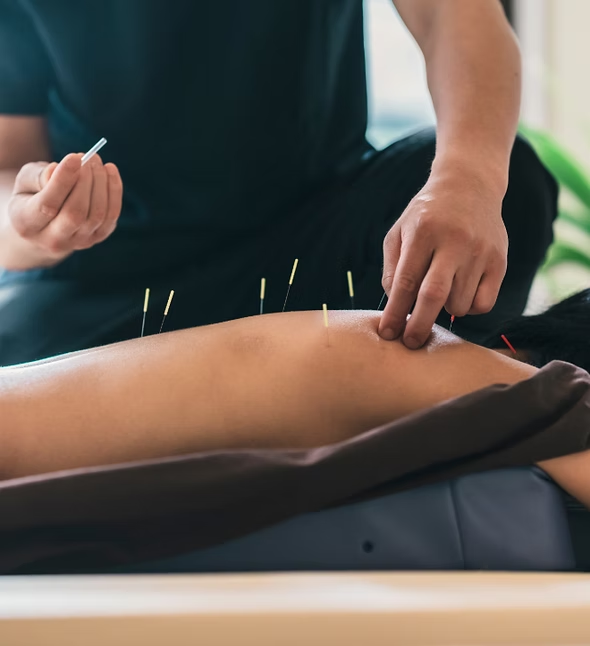
What acupuncture is and how we use it with physiotherapy
Acupuncture, in a physiotherapy clinic, means the use of fine single-use needles at specific points, usually in muscle or near the area that hurts, as one tool among others. It is not a replacement for working out why you hurt. It does not replace exercise, and it does not replace medical care for a condition that needs a doctor.
Western medical acupuncture, which is the approach most physiotherapists use, is interested in pain relief and muscle tension. It is not the same conversation as a full traditional Chinese medicine diagnosis, and we will not pretend that it is. If you are looking for that broader system, say so, and we will be honest about what this clinic does and does not offer.
We use it, when we use it, after an assessment. The physiotherapist should be able to tell you why it is being suggested, what else is in the plan, and what a realistic change looks like. “It might ease this enough for you to move” is a fair claim. “It will fix the cause on its own” is not one we make.
Andrew George leads physiotherapy at the clinic. Whether he, or another clinician, provides acupuncture on a given day is something to confirm when you enquire. Do not assume every appointment with a physiotherapist includes needles.
Conditions it may help
People ask about acupuncture for a small set of problems. “May help” means some people feel a useful change in pain or tension. It does not mean it is right for you, and it does not mean you should skip an assessment. If your symptoms are new, spreading, or accompanied by illness, weakness or unexplained weight loss, tell us, and see a doctor when those features are present.
Back pain
Back pain is the concern we are asked about most. Needles are sometimes used for muscle guarding around the spine, alongside advice and exercise. They do not correct a structural problem by themselves. If your back pain follows a lift, a long desk day or a sport, the cause still needs a look. Acupuncture, if used, is a part of that look, not the whole answer.
Neck pain
A stiff, aching neck, often from work, driving or sleep, is another common enquiry. Treatment around the neck and shoulder girdle may be discussed if it is safe for you. Tell us about dizziness, arm numbness, or pain after an accident before any hands-on work or needling. Those details change what is appropriate.
Headaches
Some headaches travel with neck tension. Acupuncture is sometimes used as part of care for that pattern. It is not a treatment for every headache. A sudden severe headache, a headache with neurological symptoms, or a headache that is new and worsening needs medical assessment, not a clinic booking as the first step. Mention migraine, aura and any medication you take.
Tennis elbow
Tennis elbow is a tendon problem from repeated grip and wrist use, in sport or at work. Local needling is sometimes discussed alongside a loading programme. The programme is the part that changes the tendon’s tolerance. Needles, if used, are an adjunct. Describe the activity that stirs it up so we are not only treating the sore point on the arm.
What a session feels like and is it safe
A first appointment is still an assessment. If acupuncture is agreed, you stay clothed except for the area being treated, and you can stop at any point. The needle sensation is usually a brief prick, then a dull ache, warmth or heaviness. It should not be a sharp pain you have to endure. Say so if it is, and the needle comes out.
Single-use needles are the standard you should expect. Some people feel tired afterwards. Some feel a temporary increase in local soreness. Strenuous training the same day is often better left. Ask what applies to you rather than copying someone else’s recovery story.
Safety depends on your history. Tell us about bleeding disorders, anticoagulant medication, a pacemaker, epilepsy, pregnancy, needle phobia, infection, or a damaged immune system. Acupuncture is not used, or is used differently, in some of those situations. We would rather decline it than guess. Consent is a conversation before the first needle, not a form waved at you afterwards.
The published physiotherapy fees are €55 for an assessment and €45 for follow-up. Check the price before you travel. Children are not treated with acupuncture at this clinic unless the team explicitly confirms otherwise.
LET’S FIND YOUR NEXT STEP
Not sure where to start? Start with us.
Tell us what hurts, what has changed, or what you want to get back to.
YOUR NEXT STEP
Related reading and next steps
A LITTLE CLARITY
Frequently asked questions
Will it hurt?
Most people describe a short prick and then an ache, not a lasting sharp pain. You are in charge of whether it continues. If you do not want needles once you are in the room, the appointment can still be a physiotherapy assessment. You do not have to go through with it to be taken seriously.
How many sessions would I need?
There is no fixed course. Some people notice a change in tension after one or two sessions. Others do not, and we stop rather than persist without a reason. Any needles sit inside a wider plan. If nothing useful has happened after a short trial, we say so.
Can I have acupuncture if I am nervous of needles?
Yes, you can discuss it. Many people are nervous and still choose to try a single needle, or they decide not to. Neither choice affects the rest of your care. Tell us before the visit so the appointment is not built around something you already know you do not want.
LET’S FIND YOUR NEXT STEP
Your next chapter starts with a conversation.
Tell us what hurts, what has changed, or what you want to get back to.