
PHYSIOTHERAPY IN MELLIEĦA, MALTA
Physiotherapy Malta:
The RED DOOR CLINIC
One-to-one assessment, hands-on treatment and rehabilitation in Mellieħa, led by a British-trained physiotherapist with over 20 years of experience.

20+years in practice
€55assessment with Andrew
€45follow-up physiotherapy
10 minfrom the Gozo ferry
WHAT IS PHYSIOTHERAPY
What does a physiotherapist do, and when should you see one?
A physiotherapist assesses how your body moves and helps you recover from injury, manage chronic conditions, and improve strength and mobility. Physiotherapy combines hands-on treatment with exercise and education, so you understand your condition and what you can do about it. You might see a physiotherapist after an injury, after surgery, or when pain, stiffness or weakness is stopping you from doing what matters to you.
You do not need to know the name of your condition before you make contact. Many patients arrive with a symptom, a sore knee, a stiff neck, a shoulder that will not settle, rather than a diagnosis. The physiotherapist’s job is to assess that symptom, work out why it is happening, and build a plan that fits your life and your goals. That is the practice of finding the cause, not only treating the spot that hurts.

OUR PHYSIOTHERAPY SERVICES
Which services does our physiotherapy and massage clinic offer?
We offer a wide range of physiotherapy treatments for different conditions and goals. Each session is tailored to your individual needs and may include:
- Manual therapyHands-on techniques to reduce pain, improve mobility and restore function.
- Sports injury rehabilitationGet back to your sport safely and reduce the risk of re-injury.
- Exercise rehabilitationIndividualised exercise programmes to build strength, stability and prevent recurrence.
- Work injuries and ergonomicsAdvice that relates to your real working day, not an ideal desk setup.
- Personalised exercise programmesSimple, clear exercises matched to the time, space and equipment you have.
- Therapeutic massageHolistic massages for pain and tension from our certified specialist massage therapists.

IN MORE DETAIL
How each physiotherapy service is approached
Our physio clinic in Mellieħa offers one-to-one assessment and treatment built around your needs. Every service starts with a conversation about what hurts, what has changed and what you want to get back to. The main areas of physiotherapy we offer are below.
Sports injury rehabilitation
Sport asks a lot of a joint, a tendon and a recovery plan. If you train, tell us the sport, the recent load and the movement that concerns you. Rehabilitation is a staged approach, not a date picked to be encouraging. A new or unexplained injury should be assessed before it is treated as a massage enquiry.
Work injuries and ergonomics
Long hours at a desk, repetitive tasks and physically demanding work all shape how you feel by the end of the day. Bring the practical details of your working day to your assessment so advice on ergonomics relates to your real routine, not an ideal one. Work injury physiotherapy looks at the task you need that joint to perform.
Personalised exercise programmes
A programme you cannot follow at home is not a programme. We tailor each plan to the time, space and equipment you actually have, and explain how every exercise connects to your goal. Ask how to perform it, how it should feel, and when to seek further guidance rather than simply doing more.
Acupuncture
Ask the clinic about acupuncture, its suitability for your concern and what an appointment involves. A treatment choice should follow a discussion of your needs, preferences and relevant health history.
Rehabilitation after surgery
After an operation, bring any instructions you were given and say what you have been told you may and may not do. We will not invent a protocol the surgeon has not set. Recovery is built step by step from what is safe for your case.
CONDITIONS WE TREAT
Which conditions can physical therapy treat?
Each item links to its own page.
YOUR FIRST VISIT
What happens on your first visit?
- 01 / VISIT
Consultation and assessment
We begin with your story: when the problem started, what makes it better or worse, and how it affects your work, training and sleep. The assessment then looks at how you move, where the pain sits and what the body is doing to compensate.
- 02 / VISIT
Diagnosis and your goal
You leave with a working understanding of what is going on and why. We agree a goal that matters to you, a match, a shift, a flight, a return to training, so the plan has a direction rather than a generic endpoint.
- 03 / VISIT
Hands-on treatment
Hands-on physiotherapy sits inside that assessment, not instead of it. Treatment is evidence-based and adjusted to what your body tolerates. Tell us if something is too much; the session should never feel like a test of toughness.
- 04 / VISIT
Your home programme
You finish with a home programme you can actually follow: a few clear exercises, how often to do them, and what to watch for. The aim is to improve between visits, not to depend on the clinic for every step forward.
YOUR PHYSIOTHERAPIST
Who is your physiotherapist?

FEES
How much does private physiotherapy cost in Malta?
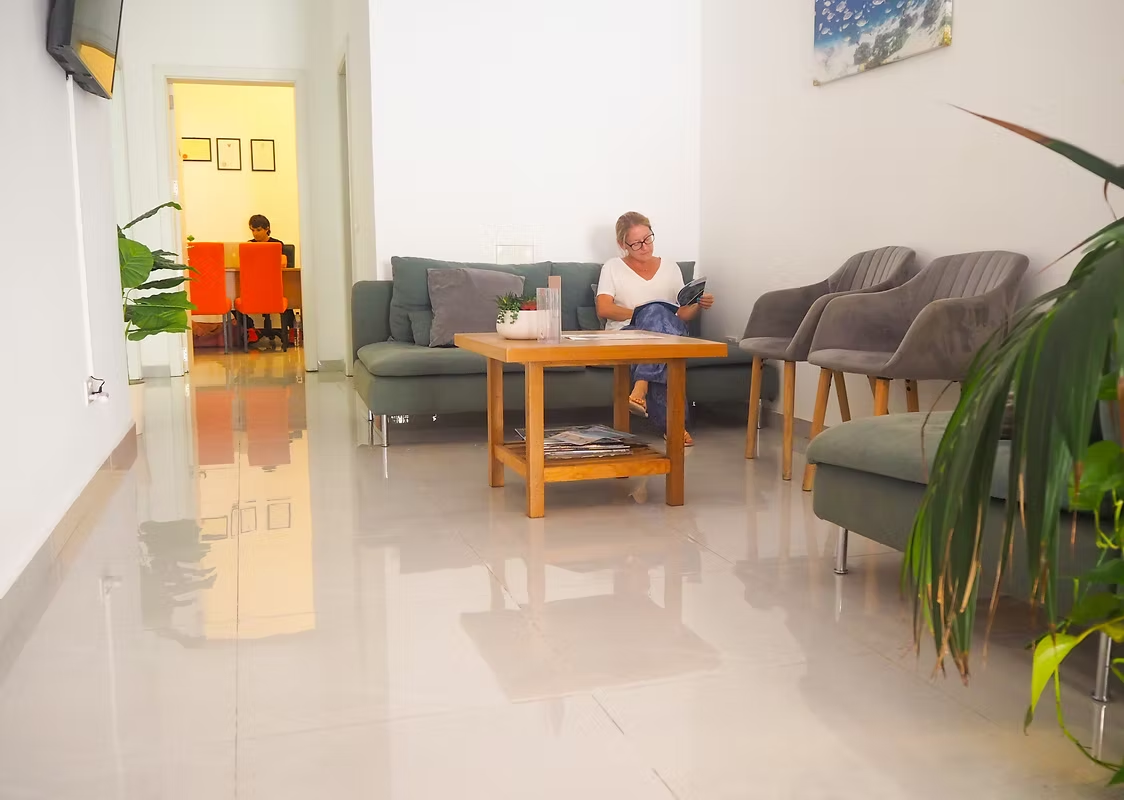
FIND US
Visit us in Mellieħa
41, Triq Franġisk Żahra, Mellieħa, MaltaAbout 10 minutes from the Ċirkewwa ferry to Gozo.
Monday08:00–15:00
Tuesday12:00–19:00
Wednesday08:00–15:00
Thursday12:00–19:00
Friday08:00–14:00
Saturday & SundayClosed
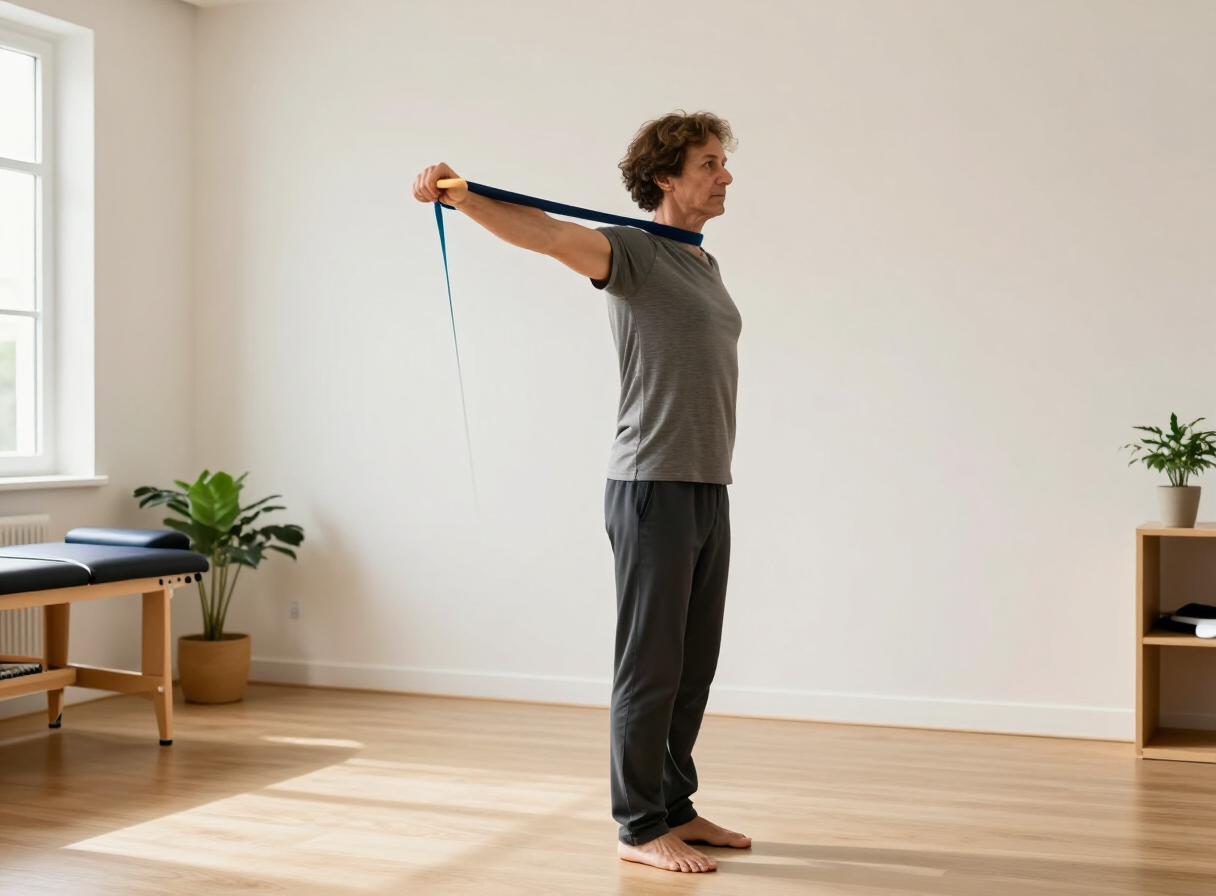
CHRONIC PAIN
Living with chronic pain: how can physiotherapy help you manage it?
Chronic pain is different from a short-term injury. It can persist long after the original cause has settled, and it affects sleep, mood and the way you move through your day. Physiotherapy helps you manage it with a gradual, evidence-based approach rather than a quick fix.
Managing chronic conditions
Building confidence in movement again, pacing activity, and understanding what flares your symptom — alongside any medical care or medication you already have.
Read more
Living with a chronic condition is rarely about one treatment. It is about building confidence in movement again, pacing activity, and understanding what flares your symptom. We work with you to manage chronic conditions in a way that fits your life, alongside any medical care or medication you already have.
Preventive care and strength
Building strength and movement quality is preventive — it reduces the chance of a future injury and helps you recover faster when one does happen.
Read more
The importance of preventive care is easy to overlook until something hurts. Building strength and movement quality is preventive, it reduces the chance of a future injury and helps you recover faster when one does happen. Strength is not only for sport; it is for the health and well-being of everyday living.
Key things to remember
- Physiotherapy finds and treats the cause of pain, not only the symptom.
- A first visit is a consultation and assessment, you do not need a diagnosis before you book.
- An assessment is €55 and a follow-up is €45; confirm the current fee and session length when you book.
- Andrew George is a British-trained physiotherapist with over 20 years across the NHS, private practice and professional sport.
- The clinic is in Mellieħa; patients travel from Naxxar, Mosta and Gozo.
- Contact the team by phone, WhatsApp or the form to discuss your case and book an appointment.
A LITTLE CLARITY
Frequently asked questions
Do I need a referral from a doctor?
In most cases you can book a private assessment without one, but if you intend to claim on health insurance, check whether your insurer asks for a referral or a medical letter first.
How many sessions will I need?
It depends on your condition, your goal and how you respond. Some patients improve in two or three visits; rehabilitation after surgery or a long-standing chronic issue may take longer. We review progress at each visit rather than booking a fixed block upfront.
Can I claim on health insurance?
Many health insurers contribute to private physiotherapy, but policies differ. Ask your insurer what they need, often a receipt and sometimes a referral or letter.
What should I wear?
Wear comfortable clothing you can move in, and that allows the physiotherapist to see and assess the area in question. If you are coming from work, bring shorts or a vest if that is easier. Tell us before the visit if you have any specific concerns.
RELATED
Explore related physiotherapy services
LET’S FIND YOUR NEXT STEP
Your next chapter starts with a conversation.
Tell us what hurts, what has changed, or what you want to get back to.