Ankle sprains
Treatment and rehab to restore stability and prevent re-injury.
Sports injury physiotherapy · Mellieħa, Malta
From first assessment to your first game back. We help you recover from sports injuries and return to the activities you love.
Evidence-based treatment
Tailored rehab programmes
Return to sport safely
All levels and sports
How we help
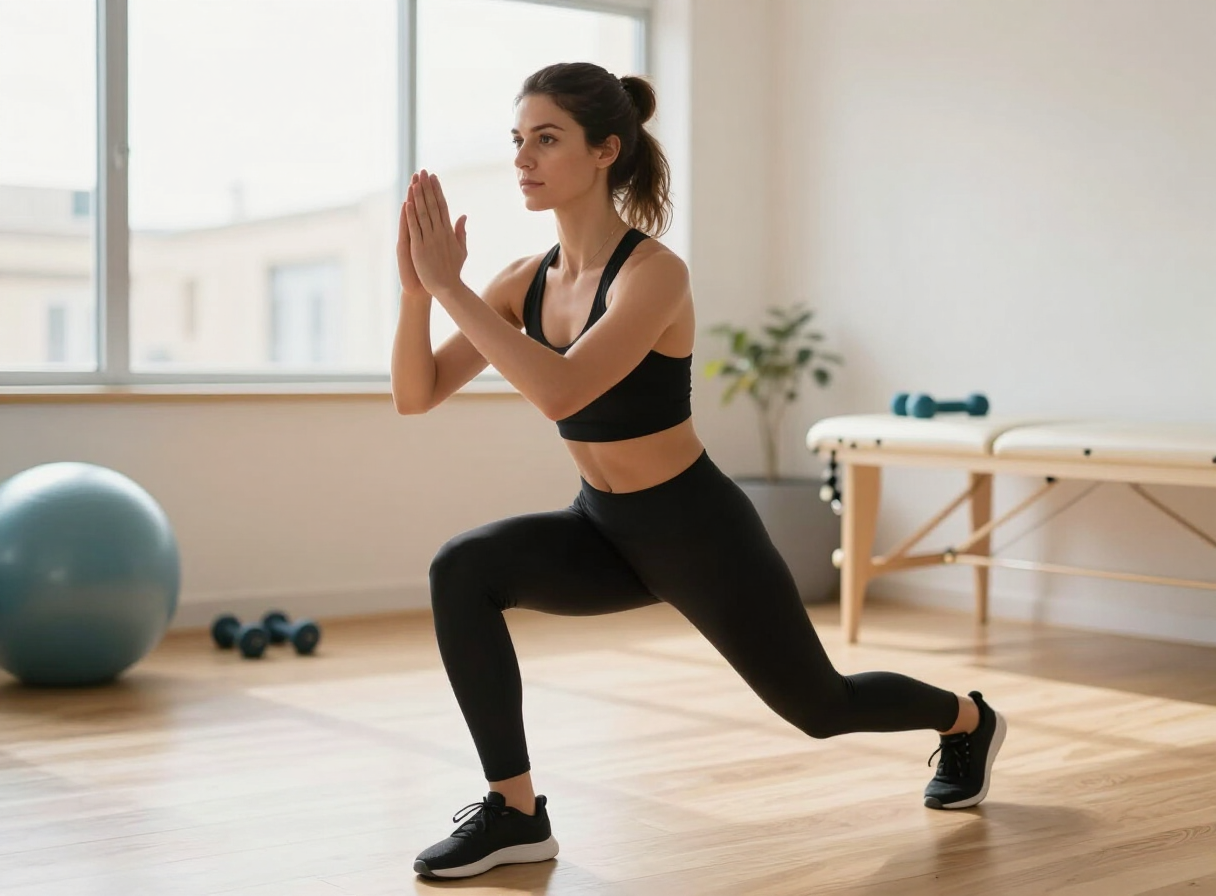
Sports injuries can be frustrating and can affect more than just training. Our physiotherapists assess the cause of your injury, create a personalised treatment and rehab plan, and support you through every stage of recovery — from reducing pain to regaining strength and returning to sport safely.
Andrew George leads physiotherapy at The Red Door Clinic in Mellieħa. His background includes the NHS, private practice and professional sport. Tell us the sport, the recent load and the movement that hurts, and we will help you decide whether an assessment is the right starting point.
Common sports injuries
Treatment and rehab to restore stability and prevent re-injury.
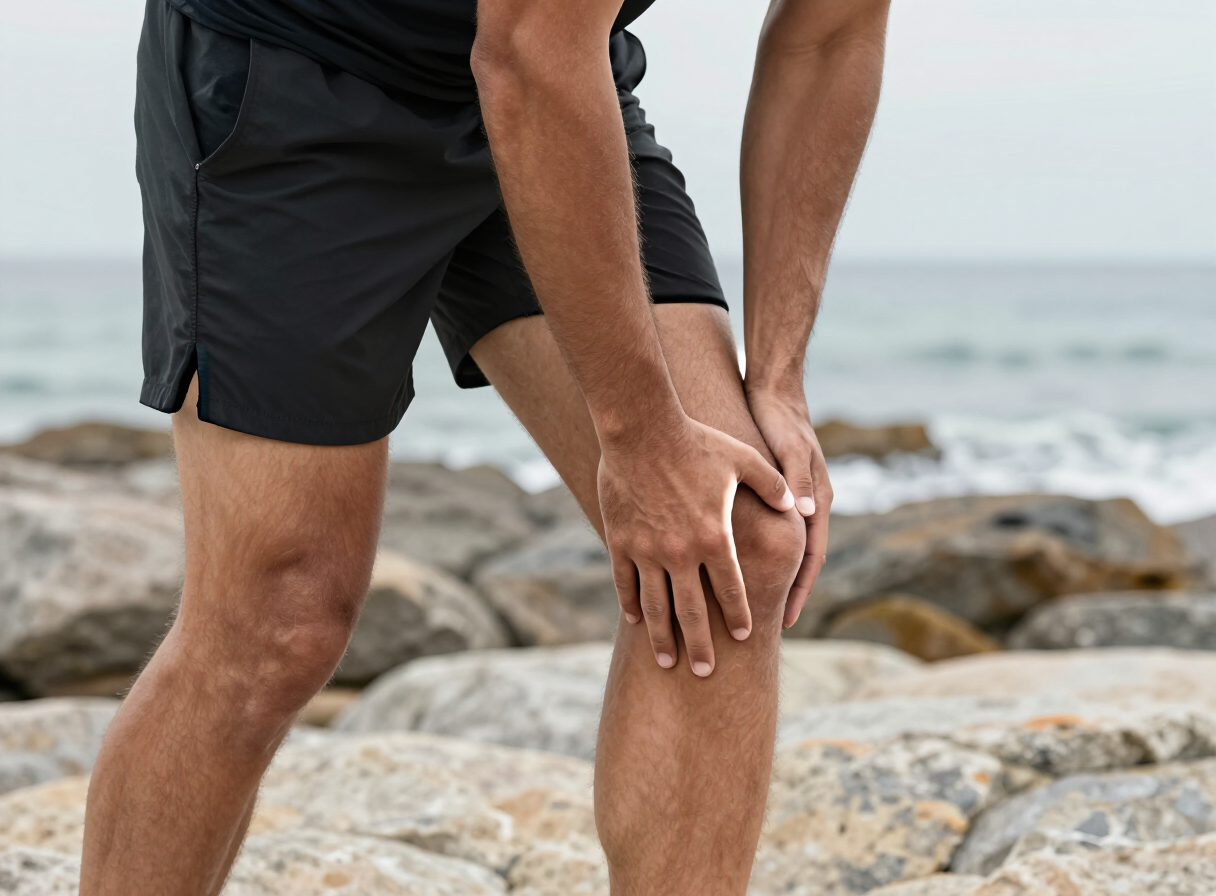
Support for ligament, meniscus and overuse injuries.

Assessment and rehab for sport-related shoulder problems.

Manage and prevent lower back pain from training and sport.
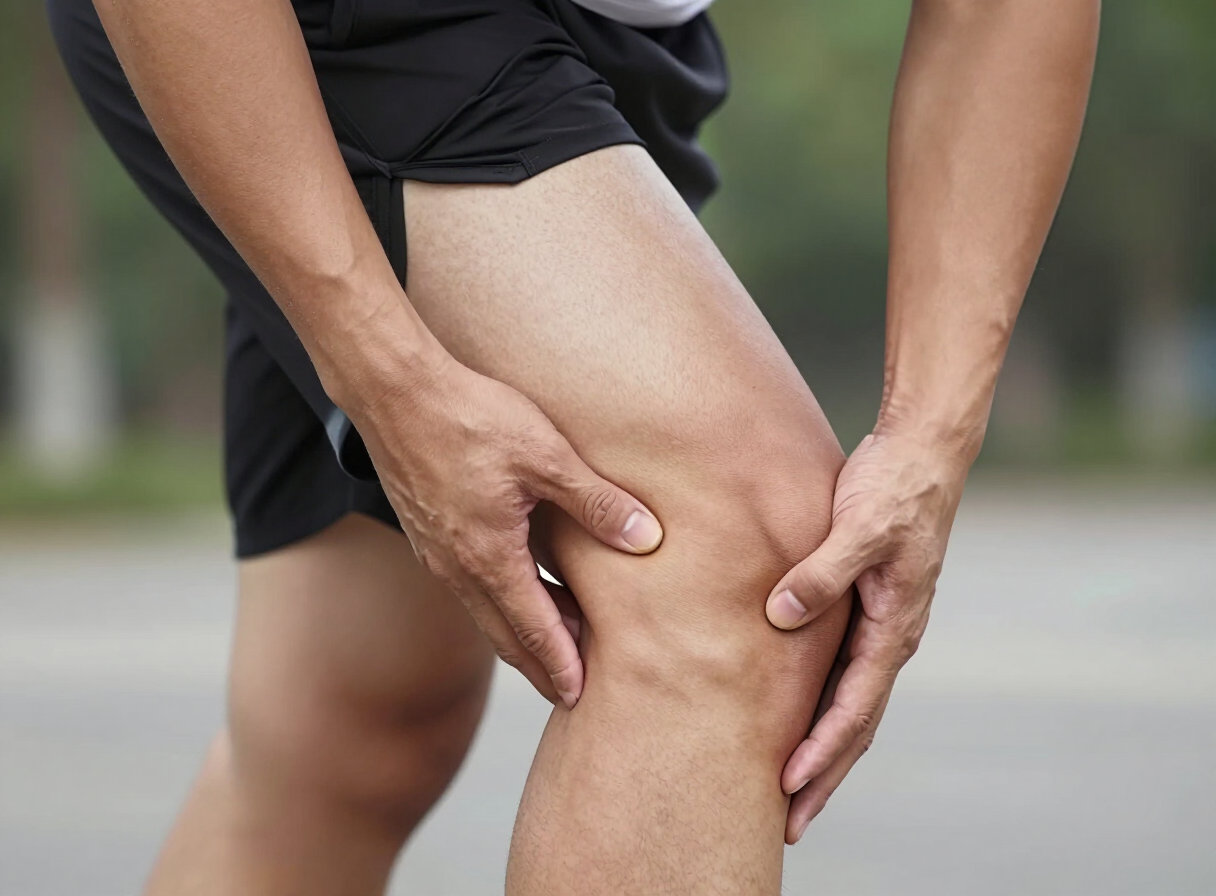
Reduce pain, restore strength and get back to activity.
A sports injury is any problem that shows up because of training, a match, or the way you load a joint over weeks. It does not have to be dramatic. Many of the people we see in Mellieħa did not fall. They added a session, changed shoes, came back from a break too quickly, or kept playing through a niggle that never quite left.
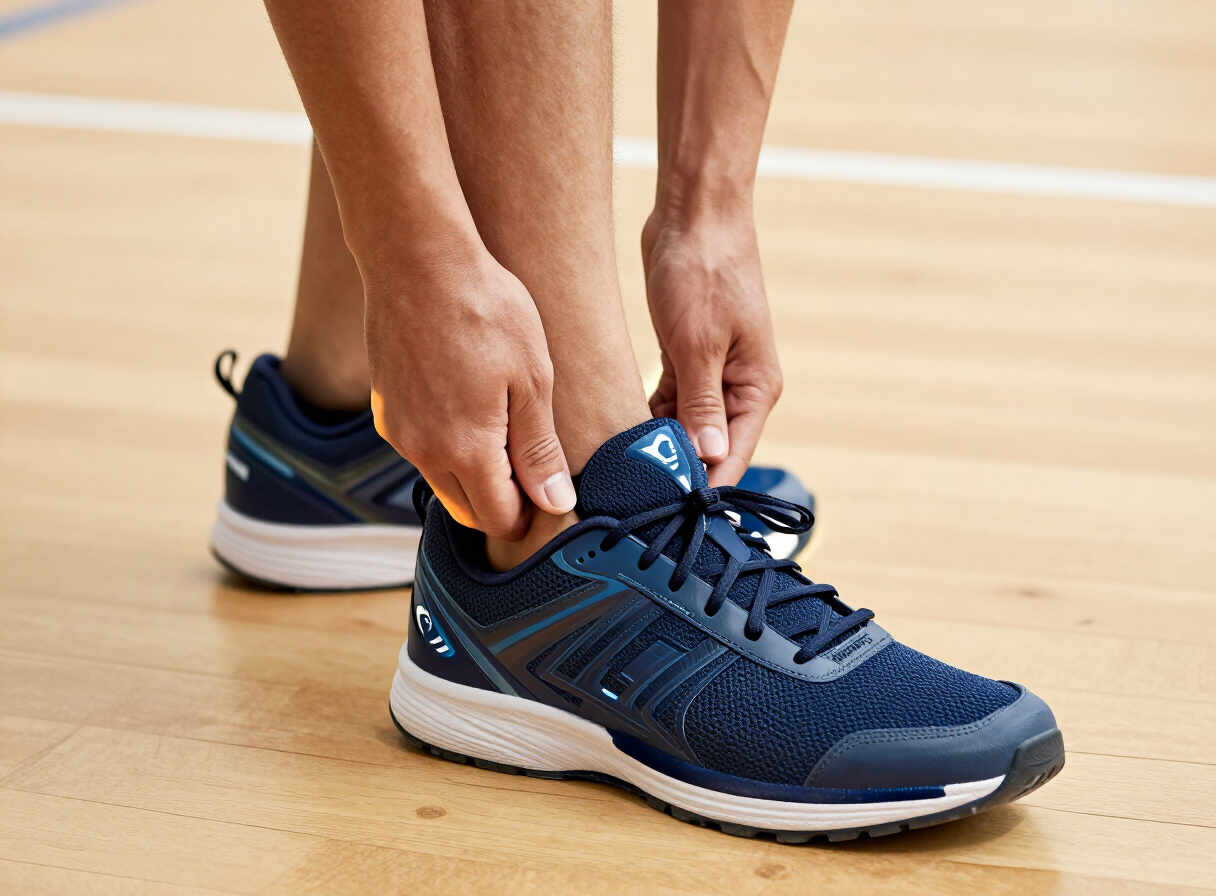
Sprains and strains are the injuries we are asked about most often: an ankle that rolled on a court, a hamstring that grabbed on a sprint, a calf that tightened halfway through a run. Runner’s knee, Achilles irritation and tennis elbow sit in the same family. They are load problems as much as they are tissue problems. The painful spot matters, but so does the training week that produced it.
We also see shoulders that pinch when serving or swimming, backs that lock after a deadlift or a long cycle, and knees that swell after football on a hard pitch. An enquiry is not a diagnosis. Describe the sport, when it started and what you cannot do. If the story sounds like a new or unexplained injury, we will start with a physiotherapy assessment rather than a massage booking.
Visitors training in Malta are welcome. Share your travel dates and the event you are trying to reach. A short stay changes what a plan can realistically include, and we would rather say that plainly than promise a recovery calendar the body will not keep.
Sports injury treatment in Mellieħa covers the problems people actually bring in: ankle sprains, knee injuries, shoulder pain from serving or swimming, backs that lock after a lift or a long ride, and muscle strain rehabilitation after a sprint or a match. If the story is new or unexplained, we start with a physiotherapy assessment rather than a massage booking.
Your assessment
The first visit is a consultation, not a rushed rub-down before you go back to training. We start with the story, then look at the movement that fails, so the plan is about the cause and not only the sore point.
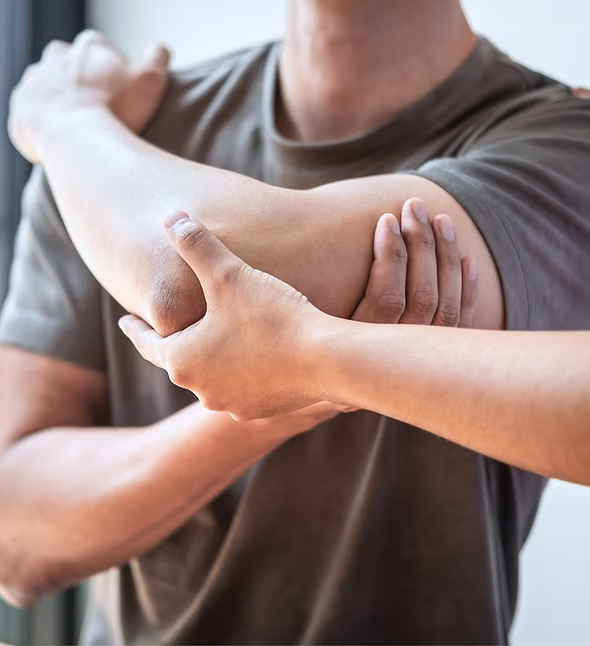
The first visit is a consultation, not a rushed rub-down before you go back to training. We start with the story: the session it began in, what you did in the fortnight before, what makes it better, and what you have already tried. Scans and letters are useful if you have them. They are not required to book.
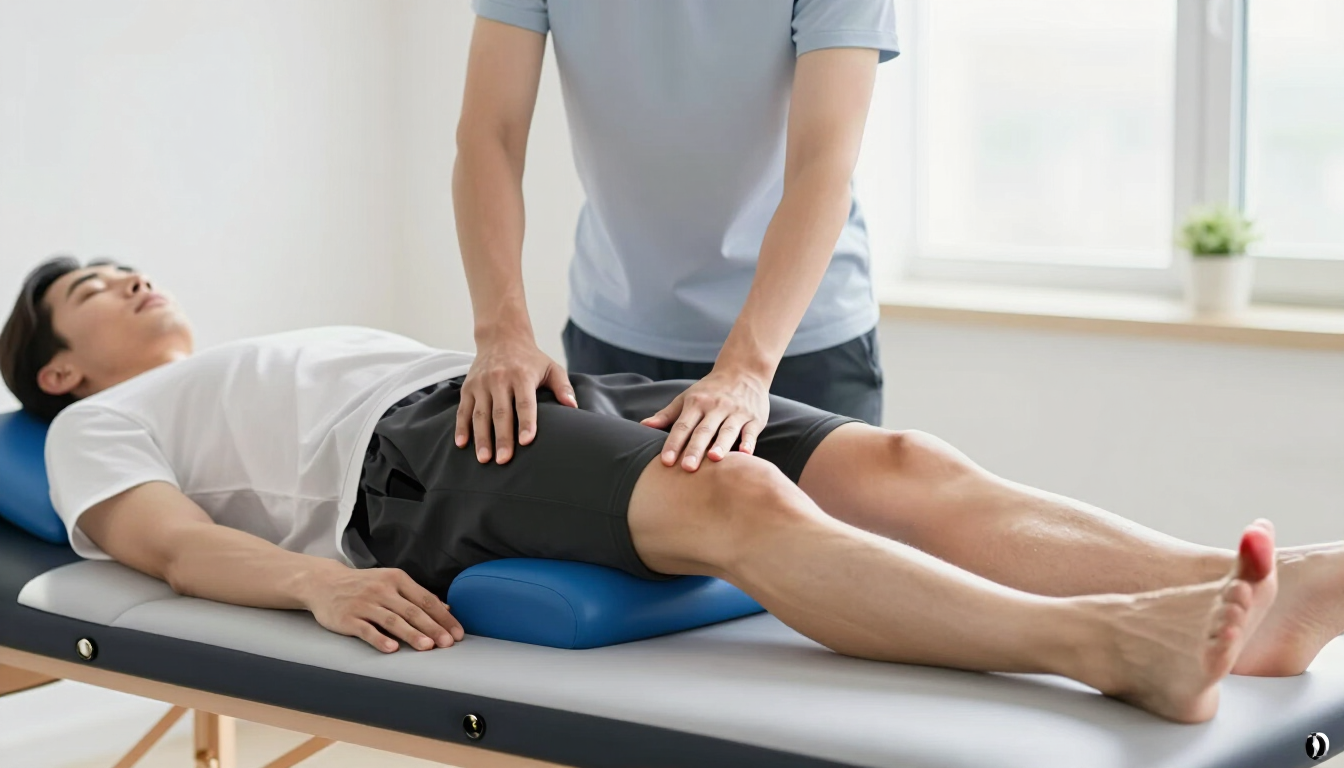
The assessment then looks at the movement that fails. For a runner that might be a single-leg squat, a hop, or how the knee tracks when you slow down. For a racket sport it might be the serve, the grip, or how the shoulder sits at the top of the swing. We are looking for the cause, not only the sore point. Compensation is common: a stiff ankle changes a knee, a tired hip changes a back.
You leave with a working explanation in plain language and a goal that belongs to you, a match, a race, a return to the gym, or simply walking the dog without a limp. A consultation and assessment with Andrew is €55, and follow-up physiotherapy is €45. Confirm the current fee when you book.
Our approach
We guide you through every stage of recovery with a clear plan and measurable progress.
We assess your injury, movement and goals to identify the cause and create a personalised plan.
Hands-on therapy and targeted exercises to reduce pain, improve mobility and rebuild strength.
A progressive programme tailored to your sport, sport level and goals.
We help you get back to your sport safely, with strategies to prevent future injuries.
Return-to-sport rehab is a sequence, not a date chosen to be encouraging. The four stages below are how we talk about progress. You may move through them quickly, or a stage may need longer because the tissue, the load, or your diary says so. We review this at each visit rather than selling a fixed block of sessions.
Early on, the job is to calm the injury enough that you can sleep, walk and do the ordinary parts of the day. That can include hands-on treatment, advice on what to avoid, and a small amount of movement that does not poke the injury. Rest is sometimes right for a few days. Total rest for weeks is rarely the plan, because a joint that does nothing becomes a joint that is harder to trust later.
Once the worst irritability has settled, we restore the range you need for the sport. A knee that will not bend fully will not let you squat or accelerate. A shoulder that will not reach overhead will not serve. Movement work is specific. We show you what “enough” looks like, and we do not chase a party trick of flexibility you do not need for your game.
Strength is what lets the repaired movement survive a training week. We rebuild the muscle around the injury and the parts that were quietly doing too much. The programme is written for the time, space and equipment you actually have, a hotel room, a home, or a gym. More is not automatically better. We agree a dose and we change it when the tissue tolerates more, not because a calendar says so.
The last stage is the sport itself, in pieces. Jogging before sprinting. A controlled session before a match. Contact, cutting and fatigue come last, because that is when many injuries return. You should know the signs that mean “stop and tell us” rather than “push through”. A return is successful when you can do the thing you came for, not when a pain score hits zero on a quiet Tuesday.
Return to sport
Return-to-sport rehabilitation is the sport itself, in pieces. Jogging before sprinting. A controlled session before a match. Contact, cutting and fatigue come last, because that is when many injuries return. A date on a calendar is not a clearance.
Progressive loading only moves on when the tissue tolerates it. We look at the movement you need, the strength that lets that movement survive a training week, and the demands that belong to your sport — not a generic drill. You should know the signs that mean stop and tell us, rather than push through.
A return is successful when you can do the thing you came for, not when a pain score hits zero on a quiet Tuesday. We do not promise a fixed recovery time. Visitors training in Malta should share travel dates and the event they are trying to reach, so the plan matches the days you actually have.
More than just recovery
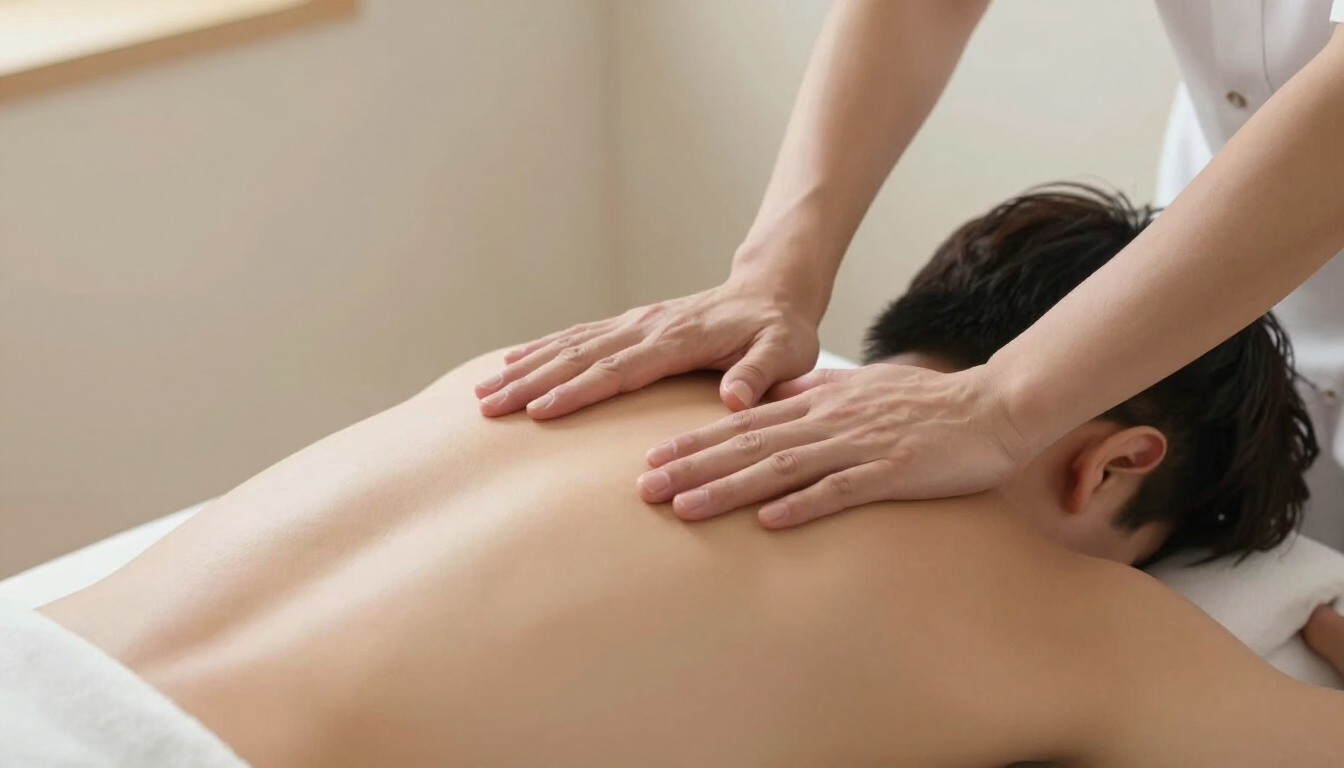
Sports massage can complement your physiotherapy by reducing muscle tension, improving circulation and supporting recovery. It is often used alongside exercise and other techniques to help you return to sport feeling stronger and more confident. It does not replace an assessment for a new sprain, a joint that gives way, or pain you cannot explain.
Our massage therapy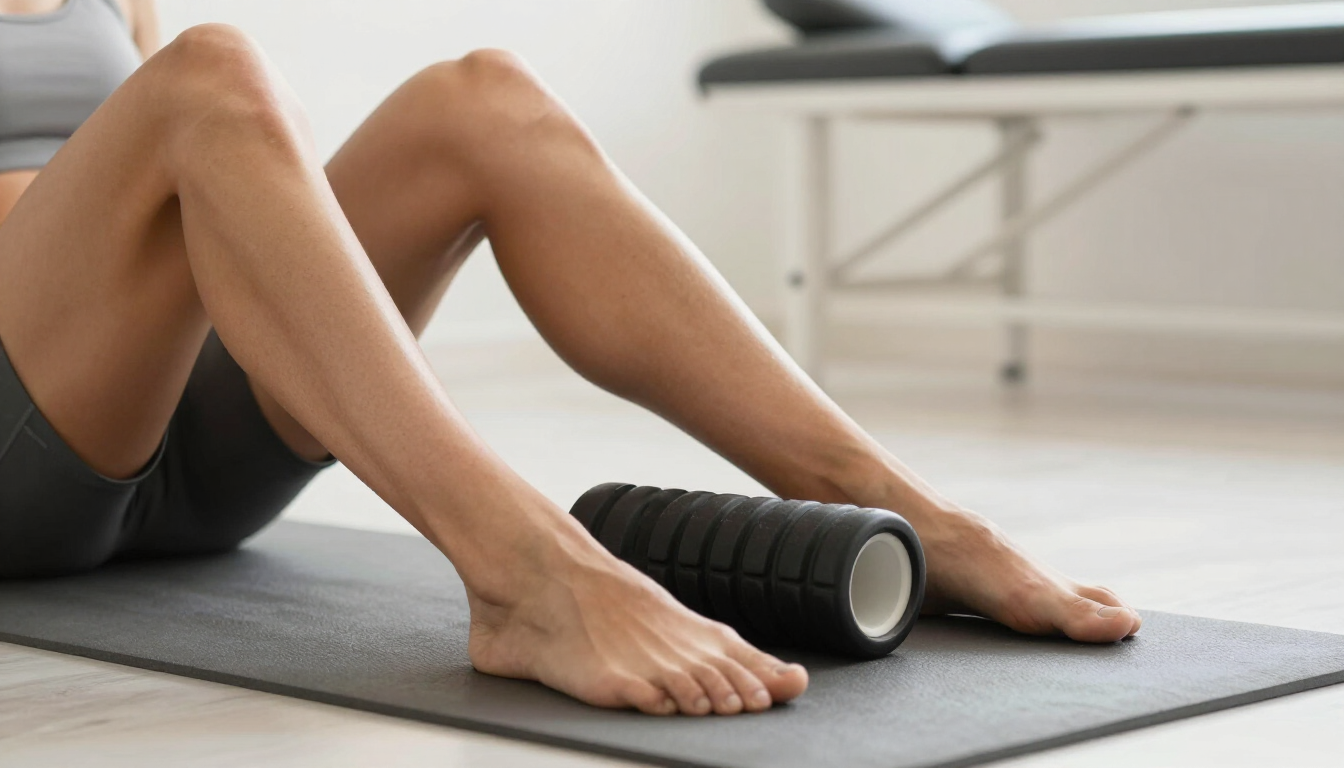
Sports massage can sit alongside rehab once we know what we are dealing with. It is useful for training-related tension, for muscles that feel guarded after a hard week, and for recovery between sessions. It is not a substitute for assessing a new sprain, a joint that gives way, or pain you cannot explain.
If you already have a plan with the physiotherapist, massage can support it. Tell the therapist the sport, the recent load and any area we have asked you to treat gently. Pressure is a conversation, not a test of toughness. If you are unsure whether to book massage or an assessment, describe the injury and we will point you to the right first appointment.
If you already know you want sports massage in Mellieħa, say so when you enquire. If you are unsure whether to book massage or an assessment, describe the injury and we will point you to the right first appointment.
Physiotherapy may be appropriate
See a physiotherapist when you can walk, the pain is manageable, and you want to know why it happened and how to get back. That includes most sprains and strains after the first day or two, nagging tendon pain, and problems that are limiting training but not an emergency.
Seek urgent medical care
Go to accident and emergency, or call emergency services, if you have a suspected broken bone, a joint that looks deformed, pain after a significant fall or collision, chest pain, trouble breathing, a head injury with confusion or vomiting, numbness in the saddle area, or loss of bladder or bowel control. Sudden severe calf pain with swelling, or a limb that is cold, pale or blue, also needs urgent medical care rather than a clinic appointment.
If you are unsure, do not wait on a message to decide an emergency. Use emergency services first. For everything else, contact the clinic, say what happened, and we will tell you whether we can see you and what to do until then. We do not diagnose by WhatsApp.
Ready to start your recovery?
Get a detailed assessment and a personalised treatment plan from our experienced physiotherapists in Mellieħa, Malta.
Related services
FAQ
It depends on the tissue, the sport and how you respond. A mild strain may need two or three visits plus a home plan. A tendon problem or a return to contact sport usually takes longer. We do not book a fixed package on day one, and we do not promise a recovery calendar the body will not keep. Progress is reviewed at each visit.
Sometimes, in a changed form. We would rather modify the session — less volume, a different drill, no cutting — than ban all movement without a reason. If a movement clearly aggravates the injury, that movement waits. Bring your training plan so the advice fits the week you actually have, including travel if you are visiting Malta.
We start with the story: the session it began in, what you did in the fortnight before, what makes it better, and what you have already tried. Scans and letters are useful if you have them. They are not required to book. We then look at the movement that fails for your sport, and you leave with a working explanation in plain language and a goal that belongs to you.
Sports massage can sit alongside rehab once we know what we are dealing with. It is useful for training-related tension and for recovery between sessions. It is not a substitute for assessing a new sprain, a joint that gives way, or pain you cannot explain. If you are unsure, describe the injury and we will point you to the right first appointment.
When the sport can be rebuilt in pieces: jogging before sprinting, a controlled session before a match, and contact, cutting and fatigue last. You should know the signs that mean stop and tell us. A return is successful when you can do the thing you came for, not when a pain score hits zero on a quiet day. We do not set that date in advance.
No. You can enquire without a referral. Scans and letters are useful if you already have them, but they are not required to book. If an insurer is paying, check what they need before you travel. We do not diagnose by message.
KEEP EXPLORING